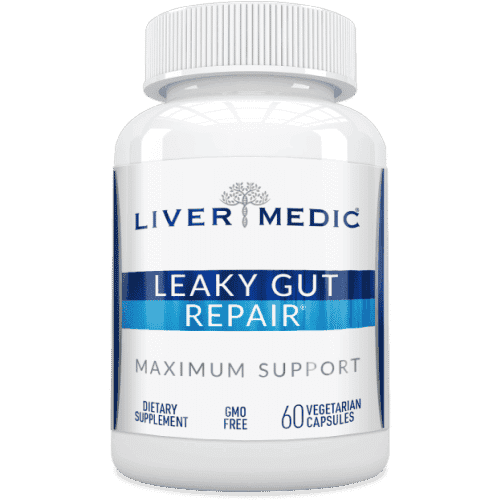
At Liver Medic, we understand the importance of a healthy liver. This vital organ acts as a filter, removing toxins from your blood, aiding digestion, and storing nutrients for energy. Keeping your liver in good shape is key to feeling your best. When your liver isn't working well, it can affect your whole body.
One common issue is fatty liver. This condition can lead to more serious problems if not managed carefully. That's why focusing on the best diet for your liver is crucial, especially if you have fatty liver. Eating right can help support liver health and improve your life quality. For more on liver health, visit Johns Hopkins Medicine.
Understanding Fatty Liver
Fatty liver happens when too much fat builds up in liver cells. This can be due to drinking too much alcohol, but it can also occur in non-drinkers, known as non-alcoholic fatty liver disease (NAFLD). Learn more about managing NAFLD in our article on managing nonalcoholic fatty liver disease.
Common causes of fatty liver include:
- Being overweight
- High blood sugar or diabetes
- High cholesterol
- Poor diet, especially high in sugars and processed foods
The good news is, diet plays a vital role in managing fatty liver. By making smart food choices, you can reduce fat in your liver and boost your overall health. Let's explore the best foods to support your liver.
Best Diet for Your Liver and Foods to Support Fatty Liver
To support liver health and manage fatty liver, try these dietary tips:
- Cut Back on Processed Foods and Sugars: These can increase fat in the liver. Focus on whole, natural foods instead.
- Include Healthy Fats: Foods like avocados, nuts, and olive oil support liver function and reduce inflammation.
- Opt for Lean Proteins: Choose chicken, fish, and legumes to support liver health without extra fat.
- Choose Whole Grains: Brown rice, quinoa, and oats provide nutrients and fiber, aiding digestion and liver health.
Specific liver-friendly foods include:
- Leafy Greens: Spinach and kale are rich in antioxidants and help reduce liver fat.
- Nuts: High in healthy fats and antioxidants, nuts support liver health.
- Fatty Fish: Salmon and sardines are high in omega-3s, reducing inflammation and improving liver function.
Discover more liver-friendly foods at 11 Foods That Are Good for Your Liver.
Lifestyle Changes for Liver Health
Besides a liver-friendly diet, these lifestyle changes can further support liver health:
- Regular Exercise: Helps maintain a healthy weight and reduces liver fat.
- Maintain a Healthy Weight: Losing excess weight can improve liver function.
- Avoid Excessive Alcohol: Limiting alcohol is crucial for liver health.
These changes, combined with a healthy diet, can greatly enhance liver health. For more on holistic lifestyle changes, visit UCLA Health.
Supplements and Protocols for Liver Support
Supplements can be a helpful addition to support liver health. At Liver Medic, we offer physician-formulated products designed to enhance liver function. One key supplement is Hepatiben, crafted to support those dealing with fatty liver.
- Hepatiben: Specially formulated to maintain healthy liver function, reduce liver fat, and promote cleansing.
- Multi-Product Protocol Kits: Our kits combine products for synergistic benefits, addressing various health concerns including liver health.
Supplements like Hepatiben can complement a liver-friendly diet and lifestyle changes, offering targeted support for better liver health.
Summary and Next Steps
In summary, maintaining a healthy liver is crucial for well-being, especially with fatty liver. By adopting the best diet for your liver—reducing processed foods, incorporating healthy fats, and eating leafy greens and fatty fish—you can support your liver's health.
Along with dietary changes, lifestyle changes such as regular exercise and maintaining a healthy weight are important. Supplements from Liver Medic can provide additional support.
We invite you to explore Liver Medic's educational content and supplements to enhance your liver health journey. Visit our Learning Center for more insights and guidance.