Yeast infections are a common concern, often affecting areas like the mouth, throat, and genitals. These occur when there's an overgrowth of yeast, a fungus that naturally lives in our bodies. While usually harmless, certain factors can upset this balance, leading to overgrowth. Common causes include antibiotics, diets high in sugar, and hormonal shifts.
This article explores a less discussed factor: stress. We'll look at whether stress can cause yeast infections and its impact on the body. A combination of our Zen Calm and Candida Complex will effectively put an end to this without the use of antibiotics or other common pharmaceuticals.
Understanding Yeast Infections
Yeast infections happen when Candida, a type of yeast, grows too much. This can cause thrush in the mouth and throat or vaginal yeast infections. The main issue is often a disruption in the body's natural balance.
- Itching or irritation in the affected area
- Redness and swelling
- Thick, white discharge (in vaginal yeast infections)
- Pain during urination or intercourse
Understanding what causes yeast infections helps in managing them and making informed health decisions.
Does Stress Cause Yeast Infections?
Many wonder if stress can lead to yeast infections. Stress affects our bodies in many ways and can contribute to yeast overgrowth. Here's how:
- Weakened Immune System: Stress releases hormones like cortisol, which can weaken the immune system, making it easier for yeast to grow.
- Hormonal Changes: Stress can cause hormonal imbalances, affecting yeast growth.
- Behavioral Changes: Stress may lead to habits like consuming more sugary foods, which can feed yeast.
Learn more about stress and your immune system by visiting Stress Sickness: Stress and Your Immune System.
How to Avoid Yeast Infections While Taking Antibiotics
Antibiotics are vital for fighting bacterial infections but can also lead to yeast infections by disrupting the balance of bacteria. Here’s how to reduce this risk:
- Take Probiotics: These good bacteria help maintain gut health. Find them in yogurt or supplements. Learn more about probiotics at Probiotics: What They Are, Benefits & Side Effects.
- Maintain Good Hygiene: Keep affected areas clean and dry.
- Limit Sugar Intake: Yeast thrives on sugar, so cutting back can help control growth.
- Stay Hydrated: Drinking water helps flush out toxins and supports overall health.
What Are Yeast Infections a Sign Of?
Yeast infections can signal other health issues or lifestyle factors needing attention:
- Immune System Imbalance: Stress, poor diet, or lack of sleep can weaken the immune system, allowing yeast to grow unchecked.
- Hormonal Changes: Fluctuations during pregnancy, menstruation, or menopause can affect yeast balance.
- High Sugar Diet: Excess sugar can feed yeast, leading to overgrowth.
- Underlying Health Conditions: Conditions like diabetes can increase yeast infection risk due to higher blood sugar levels.
Anti-Thrush Diet and Lifestyle Changes
Diet and lifestyle changes can help manage yeast infections:
Anti-Thrush Diet:
- Include: Fresh vegetables and low-sugar fruits
- Lean proteins like chicken and fish
- Whole grains such as brown rice and quinoa
- Probiotic-rich foods like yogurt and kefir
- Avoid:
- Sugary foods and drinks
- Refined carbs like white bread and pastries
- Alcohol, which can promote yeast growth
Lifestyle Changes:
- Manage stress through activities like yoga, meditation, or deep breathing.
- Ensure adequate sleep to support immune function.
- Practice good hygiene, especially in warm, moist areas.
- Wear breathable, loose-fitting clothing to reduce moisture buildup.
Conclusion and Next Steps
We've explored how stress can impact the immune system and contribute to yeast growth. We also discussed antibiotics' role in yeast infections and how probiotics can help. Additionally, we covered what yeast infections might indicate about your health and how diet and lifestyle changes can support your well-being.
To effectively manage yeast infections, consider these steps:
- Explore stress management techniques to support your immune system.
- Incorporate probiotics into your routine, especially if taking antibiotics.
- Adopt a balanced diet that supports gut health.
- Make lifestyle changes that promote overall health and reduce infection risk.
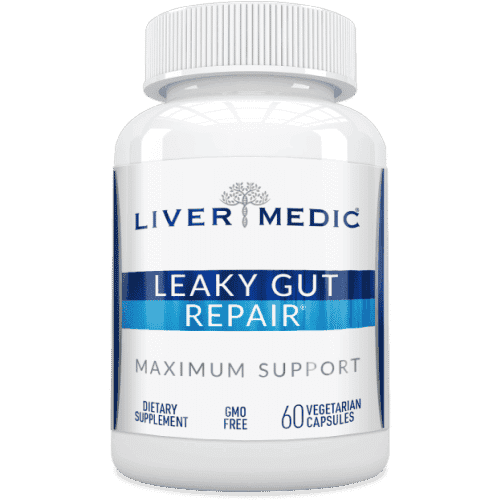
For comprehensive support, Liver Medic offers educational content and specialized protocol kits, such as the Gut Repair Protocol, designed to aid your journey to better health. Consider exploring our Candida Complex and Leaky Gut Repair products for targeted support. For more insights on natural yeast infection treatments, visit our Candida Cleanse page. Remember, small lifestyle and dietary changes can significantly impact managing yeast infections and enhancing your overall well-being.