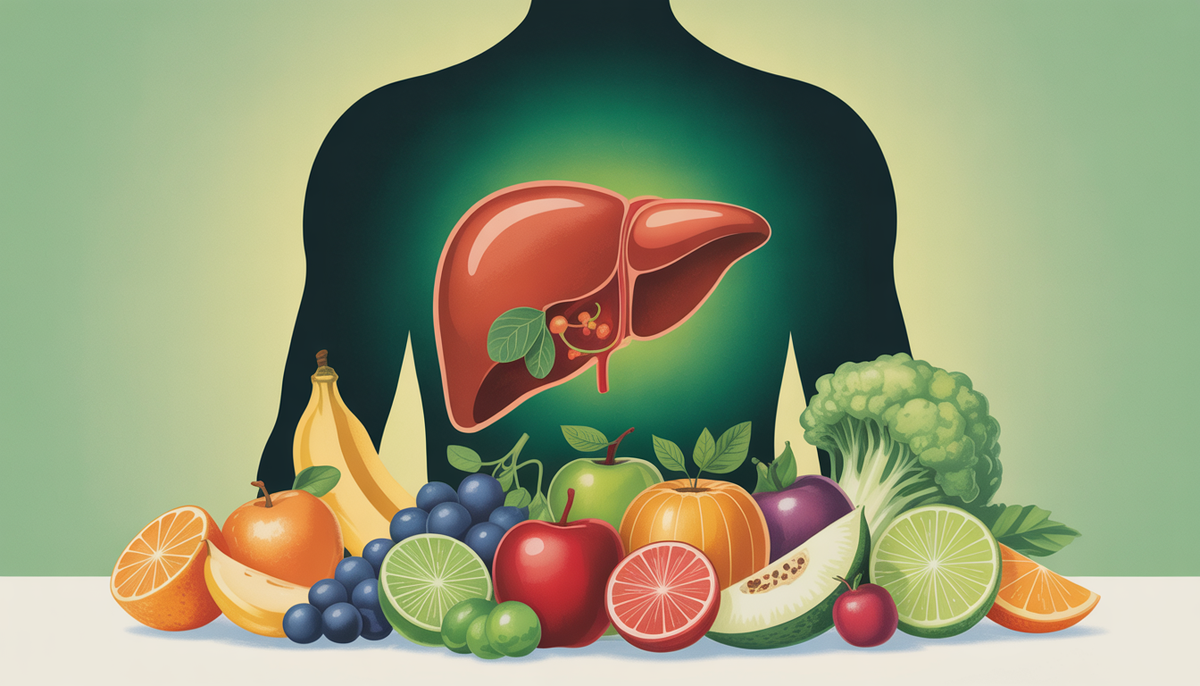
Elevated Liver Enzymes: Causes & Solutions Uncovered
|
|
Time to read 3 min

|
|
Time to read 3 min
When liver enzymes are higher than normal, it can signal that your liver might need some attention. These enzymes are proteins that help the liver with important tasks, like breaking down toxins and storing nutrients. If they're elevated, it may suggest stress or damage to the liver, so understanding the causes and what you can do is key.
Liver enzymes are special proteins that help your liver do its job efficiently. This includes tasks like filtering blood and processing nutrients. Your liver is a vital organ, and these enzymes play a big part in keeping you healthy. To dive deeper into how your liver works, visit Liver: Anatomy and Functions | Johns Hopkins Medicine.
Two important enzymes to know are AST (aspartate aminotransferase) and ALT (alanine aminotransferase). They help process amino acids, which are the building blocks of proteins. When liver cells are damaged, these enzymes can leak into the bloodstream, causing elevated levels.
Elevated liver enzymes mean that the levels of certain enzymes in your blood are higher than usual. Doctors often find this out through blood tests. High levels of AST and ALT can suggest liver issues. For more about these tests, check out Common Liver Tests | Johns Hopkins Medicine.
Understanding elevated liver enzymes causes is crucial for maintaining liver health. Here are some common reasons why liver enzymes might be high:
Your lifestyle choices greatly affect liver health. Eating well and staying active can keep enzyme levels in check, while poor habits can contribute to problems. Avoid GMO foods, choose personal care products with natural ingredients, avoid household cleaners that are toxic, don't drink water from plastic bottles. These are just some ways to reduce toxins entering the body.
Recognizing the signs of high liver enzymes can help you take early action. Here are some common symptoms:
AST and ALT levels are key indicators of liver health and help identify potential issues early on.
Supporting your liver is essential for overall health. Here are some ways to maintain healthy liver enzymes:
For more tips on liver health, visit 5 Ways to Be Kind to Your Liver | Johns Hopkins Medicine.
Understanding elevated liver enzymes is crucial for maintaining liver health. These enzymes are essential for your body's functions, and high levels can indicate stress or damage. Causes often include lifestyle factors like diet and alcohol use, as well as certain medications. Recognizing symptoms such as fatigue and abdominal pain can prompt early action.
At Liver Medic, we focus on supporting your liver with natural, high-quality solutions. Our products, like Hepatiben, are crafted to help maintain liver health. Always seek personalized advice from healthcare professionals to meet your individual needs.
Explore our educational resources to learn more about liver health and make informed choices for your well-being. Discover more at The Power of Liver Health Supplements Explained.


