Welcome to Liver Medic, where we focus on supporting your liver and digestive health with physician-formulated solutions. Today, we're diving into Non-Celiac Gluten Sensitivity (NCGS), a condition that affects many people. Recognizing and managing NCGS can help improve your quality of life.
What is Non-Celiac Gluten Sensitivity?
NCGS occurs when people experience gluten symptoms similar to celiac disease, but without the intestinal damage. Here's how it differs from other conditions:
- Celiac Disease: An autoimmune disorder where gluten harms the small intestine.
- Wheat Allergy: An allergic reaction to wheat proteins, causing symptoms like hives.
- NCGS: Gluten-related symptoms without autoimmune or allergic responses.
For more detailed insights, explore this scientific study on NCGS .
Recognizing Gluten Symptoms in NCGS
NCGS can manifest in various ways. Knowing these symptoms is key to managing them effectively:
- Digestive Issues: Stomach pain, bloating, and diarrhea are common.
- Fatigue: Feeling tired even after rest can affect daily life.
- Headaches: Frequent headaches or migraines may occur.
- Joint Pain: Some experience joint pain or stiffness.
Symptoms vary widely, so it's important to identify what affects you personally.
Diagnosing and Managing NCGS
Diagnosing NCGS can be challenging, as there's no specific test. Doctors often rule out celiac disease and wheat allergy first. An elimination diet, where gluten is removed to observe symptom changes, is a common method.
Managing NCGS involves lifestyle and dietary changes:
- Gluten-Free Diet: Avoid wheat, barley, and rye to reduce symptoms.
- FODMAP Diet: Some find relief with a low-FODMAP diet, which aids digestion. Learn more about it here .
- Healthy Lifestyle: Regular exercise, good sleep, and stress management support overall health.
Importance of Liver and Digestive Health
Your liver and digestive system play crucial roles in managing NCGS symptoms. Here's why:
- Liver Function: A healthy liver filters out toxins, including those from gluten sensitivity. Discover more about liver health here .
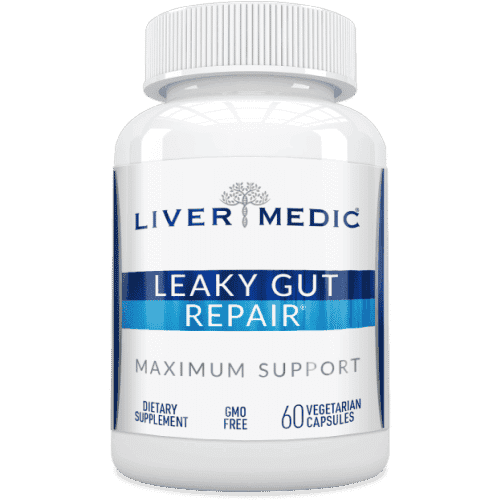
- Digestive Health: Efficient digestion helps manage symptoms. Consider our Leaky Gut Repair for support.
- Overall Well-being: Good liver and digestive health can boost energy and reduce inflammation.
Support from Liver Medic
At Liver Medic, we offer science-based supplements and educational resources to support your journey. Our family-owned business, led by a molecular cell biologist, combines heartfelt storytelling with expert guidance. Explore our website for more information and consider trying our Hepatiben Liver Cleanse for liver support.
Take Charge of Your Health
Understanding NCGS is a vital step in taking control of your health. By recognizing gluten symptoms and learning how to manage them, you're on the right path. Here's a quick recap:
- NCGS is a common condition that affects many people, causing various symptoms.
- It is distinct from celiac disease and wheat allergy.
- Diet and lifestyle changes can greatly improve your quality of life.
- Liver and digestive health are crucial for managing NCGS.
At Liver Medic, we're here to support you with educational resources and supplements. Visit our website to learn more about our solutions. Taking proactive steps today can lead to a healthier tomorrow. We're with you every step of the way.