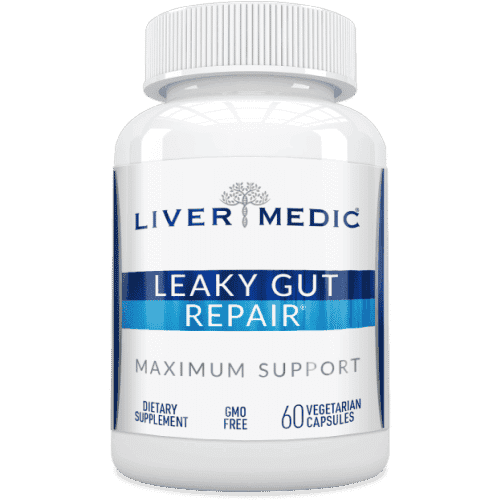
At Liver Medic, we know how important it is to understand what affects your health. Non-Celiac Gluten Sensitivity (NCGS) is becoming more recognized as people learn how gluten can impact their well-being. Unlike celiac disease, which harms the intestine through an immune response, NCGS doesn't damage the intestine but can still cause discomfort. Knowing about NCGS can help you make better choices and manage symptoms effectively.
What is NCGS?
NCGS is a condition where people feel unwell after eating gluten, but they don't have celiac disease or a wheat allergy. Gluten is a protein found in wheat, barley, and rye. Here's what you need to know:
- Diagnosis: To find out if you have NCGS, doctors rule out celiac disease and wheat allergy through tests. If those aren't present, a gluten-free diet might help improve symptoms.
- Difference from Celiac Disease: Unlike celiac disease, NCGS doesn't harm the intestine, making it harder to diagnose since there are no specific tests for it.
For more details, you can read the study Non-Celiac Gluten Sensitivity: An Update .
Common Gluten Symptoms
For those with NCGS, gluten can trigger various symptoms. These can differ from person to person, but some are more common:
- Digestive Discomfort: Many people feel bloated, have gas, or experience stomach pain after eating gluten.
- Fatigue: Feeling tired even after a good night's sleep is common.
- Headaches: Frequent headaches or migraines might occur.
- Mood Changes: Some notice mood swings or feelings of anxiety and depression.
- Skin Problems: Rashes or eczema can also be signs of NCGS.
For further insights, check out Renowned Expert Weighs in on Celiac Disease and Gluten Sensitivity .
Managing NCGS: Dietary and Lifestyle Adjustments
Managing NCGS is about changing your diet and lifestyle. Here are some helpful tips:
- Adopt a Gluten-Free Diet: Removing gluten from your diet is crucial. Focus on naturally gluten-free foods like fruits, vegetables, and lean meats.
- Read Food Labels: Always check food labels for hidden gluten in sauces, dressings, and processed foods.
- Plan Your Meals: Planning meals ahead helps you avoid gluten and ensures you have safe options.
- Consult Healthcare Professionals: Talk to doctors or dietitians for personalized advice.
For expert dietary guidelines, see the European Society for the Study of Coeliac Disease (ESsCD) .
The Role of Supplements in Digestive Health
At Liver Medic, we offer supplements that can support digestive health, which is vital for those managing NCGS. Here's how they help:
- Digestive Support: Products like Digest Harmony aid in breaking down food, reducing discomfort.
- Nutrient Absorption: Some supplements enhance nutrient absorption, crucial for restricted diets.
- Gut Health: Probiotics and other gut-supporting supplements, discussed in Prebiotics and Probiotics: Your Guide to Gut Health , help maintain healthy gut flora.
Our physician-formulated supplements focus on liver and digestive health, ensuring quality and effectiveness. Choosing the right supplements can enhance well-being for those with NCGS.
Summary and Next Steps
Understanding NCGS and its symptoms is key to managing your health. Here's a quick recap:
- NCGS is different from celiac disease but can cause similar discomfort.
- Common symptoms include digestive issues, fatigue, and headaches.
- Managing NCGS involves dietary changes and lifestyle adjustments.
- Supplements can support digestive health and improve quality of life.
Explore Liver Medic's educational resources for more on managing NCGS and improving liver and digestive health. Our multi-product protocol kits offer comprehensive support for those seeking natural solutions. By taking informed steps, you can enhance your health journey and find relief from gluten symptoms. Use Digest Harmony as it breaks down gluten.